Looking for reliable solar geyser installation in Alberton? Whether you’re building a new home, replacing an old water heater, or upgrading to an eco-friendly, energy-saving solar geyser system, Gauteng Geyser Experts has you covered. With over 20 years of experience and full compliance with SANS standards, we provide professional, safe, and efficient solar geyser installations you can trust.
If you’re in Alberton or nearby, our team will work closely with you to recommend the best solar geyser models that suit your home’s size, budget, and hot water needs. Whether your goal is to reduce electricity bills or embrace sustainable living, our expert installers ensure a smooth and hassle-free experience from start to finish.
BOOK A SERVICE NOW!!!
Types of Solar Geysers We Install in Alberton
At Gauteng Geyser Experts, we understand that every home has unique hot water needs. That’s why we offer a wide range of solar geysers designed to deliver efficient, eco-friendly water heating solutions tailored to different household requirements. Whether you’re in Alberton or elsewhere in Gauteng, we provide expert guidance and professional installations to match your specific needs.
Types of Solar Geysers We Install:
1. Thermosiphon Solar Geysers
These systems operate through natural convection, circulating water between the solar collector and storage tank without the need for pumps. Ideal for homes with suitable roof space and slope, they’re simple, effective, and low-maintenance.
2. Pumped Solar Geysers (Active Systems)
Using an electric pump to move water or heat-transfer fluid, these systems are perfect when the storage tank can’t be placed above the collector. They offer flexibility in installation and are suitable for a variety of home layouts.
3. Split System Solar Geysers
With the collector and storage tank installed separately, split systems are ideal for larger homes or buildings where space or design doesn’t permit traditional setups. They often feature advanced controllers for improved efficiency.
4. Flat Plate Solar Geysers
Durable and cost-effective, flat plate systems use a flat absorber plate to capture solar energy efficiently. These are a reliable choice even in moderately cloudy weather.
5. Evacuated Tube Solar Geysers
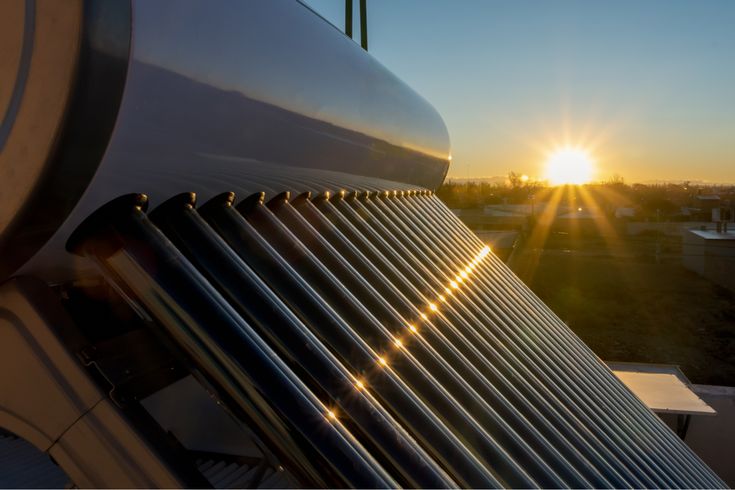
Highly efficient and great for colder months, evacuated tube systems use vacuum-insulated glass tubes to minimize heat loss. They provide excellent performance year-round.
Trusted Brands We Install:
We work with leading brands like Calorex, Solahart, Ecolution, and Heat Tech—known for their reliability, energy efficiency, and long-term value. Our team will help you select the best model based on your budget, household size, and energy goals.
No matter the type or brand you choose, Gauteng Geyser Experts ensures professional, SANS-compliant installation for maximum safety and performance.
How Solar Geyser Installation Works – Step by Step
Installing a solar geyser is one of the smartest ways to cut energy costs and reduce your environmental impact. At Gauteng Geyser Experts, we handle every step with care to ensure a smooth, efficient, and professional installation process. Here’s how it works:
1. Initial Consultation and Assessment
We begin with a thorough evaluation of your household’s hot water needs, roof space, and solar exposure. This helps us determine the most suitable solar geyser system for your home.
2. Choosing the Right System
Our team helps you choose from thermosiphon, pumped, flat plate, or evacuated tube systems, along with the best brands and models to match your budget and performance requirements.
3. Preparing the Installation Site
Before installation begins, we inspect your roof structure and confirm that all plumbing and electrical systems are ready for the new setup.
4. Installing the Solar Collectors
We securely mount the solar collectors in a location that ensures maximum sun exposure throughout the day, optimizing energy absorption and efficiency.
5. Setting Up the Storage Tank
Depending on the system type, the storage tank is installed either on the roof or inside the home and connected to the collectors and plumbing network.
6. Connecting Plumbing and Electrical Components
Our team integrates your solar geyser with the home’s water supply and electrical setup, installing any necessary pumps, valves, sensors, or controllers for smooth operation.
7. System Testing and Commissioning
We rigorously test the entire system to ensure it’s heating water efficiently, safely, and consistently before signing off on the job.
8. Explaining Operation and Maintenance
Once installation is complete, we guide you through how the system works and provide tips for ongoing maintenance to ensure long-term performance.
9. Aftercare and Support
Our service doesn’t stop at installation. We’re available for future maintenance, repairs, and advice to help you get the most out of your solar geyser.
With Gauteng Geyser Experts, you get expert installation that’s SANS-compliant and tailored to your needs—giving you reliable, energy-efficient hot water without the stress.
FAQs About Solar Geyser Installation
What is a solar geyser?
A solar geyser uses energy from the sun to heat water, helping reduce electricity bills and lower your environmental impact.
How does a solar geyser work?
Solar collectors absorb sunlight and transfer the heat to water stored in a tank for everyday household use.
What are the main types of solar geysers?
The most common types are thermosiphon, pumped (active), flat plate, and evacuated tube systems.
Is solar geyser installation suitable for all homes?
Most homes with adequate roof space and sunlight exposure can benefit from installing a solar geyser.
How long does the installation take?
Installation typically takes one to two days, depending on the system type and roof access.
Do I need permission to install a solar geyser?
In many cases, no permission is needed, but it’s best to confirm with your local regulations or homeowner association.
Can solar geysers work during cloudy or rainy days?
Yes, but efficiency decreases. Most systems come with electric or gas backup elements for such conditions.
How much can I save on electricity?
Depending on usage and system size, you can cut your water heating costs by up to 70%.
What brands do you install?
We work with reliable brands such as Calorex, Solahart, Ecolution, and Heat Tech.
What size tank do I need?
Tank size depends on the number of people in your household—usually between 150L and 300L.
Will installation damage my roof?
No. When done professionally, the installation process is safe and will not damage your roof structure.
Do solar geysers need regular maintenance?
Yes. Annual servicing helps maintain performance and extend the system’s lifespan.
How long do solar geysers last?
With proper care, they can last 15 to 20 years or even longer.
Are they expensive to install?
The upfront cost is higher than electric geysers, but long-term savings often outweigh the initial expense.
Can I install it myself?
It’s strongly recommended to use a professional installer to ensure safety, efficiency, and compliance.
What if my roof doesn’t face north?
While north-facing roofs are ideal, systems can still be effective with the right adjustments and positioning.
Can solar geysers be used in apartment buildings?
Yes, depending on roof access and space. Shared or communal systems can also be an option.
Do they work in winter?
Yes. While efficiency may drop, evacuated tube systems are especially effective in cold weather.
What is a thermosiphon system?
It’s a passive system where water circulates naturally between the collector and storage tank.
What is a pumped system?
An active system that uses pumps to move water or heat transfer fluid between components.
Are installations compliant with safety standards?
Yes. Our installations meet all required industry standards for safety and performance.
How do I know if repairs are needed?
Watch for signs like reduced hot water, unusual noises, leaks, or a sudden increase in energy use.
Can solar geysers be connected to existing plumbing?
Absolutely. They’re designed to integrate with most residential plumbing systems.
Do they require electrical backup?
Many systems include electric backup for consistent hot water during low-sunlight days.
How much roof space is required?
Typically, 2 to 4 square meters is needed, depending on the system and collector type.
Are solar geysers eco-friendly?
Yes. They reduce electricity use and help decrease your household’s carbon footprint.
How do they compare to electric geysers?
Solar geysers use free renewable energy and offer long-term savings, while electric geysers rely fully on electricity.
Are rebates or incentives available?
Some regions offer incentives. We can help check your eligibility during the consultation process.
How long do solar collectors last?
Collectors usually last between 15 and 20 years with routine maintenance.
How often should the tank be flushed?
Once a year is recommended to remove sediment buildup and maintain efficiency.
Do they freeze in winter?
Evacuated tube systems offer freeze protection. Other systems may need insulation in colder climates.
How much does installation cost?
Prices vary depending on the system and setup. We provide free quotes tailored to your needs.
Are they noisy?
No. Solar geysers operate quietly and won’t disrupt your home environment.
Can they increase property value?
Yes. They’re viewed as energy-efficient upgrades that appeal to eco-conscious buyers.
Do they require special insurance?
Not usually, but it’s wise to inform your insurer after installation.
What if a component breaks?
We offer quick repair and replacement services for all major parts of the system.
Can they be installed on thatched roofs?
Yes, but additional safety measures and approvals may be required.
What warranties are available?
Most systems come with 5 to 10 years of warranty coverage on parts and workmanship.
How do I know if this solution is right for me?
We offer a free assessment to help you determine if a solar geyser fits your needs and lifestyle.
Do they provide instant hot water?
Not instantly. They store heated water in tanks for on-demand use.
How long does hot water stay warm?
Insulated tanks can retain heat for several hours, depending on quality and external temperatures.
Can they be used with underfloor heating?
Yes, though the system must be properly designed for the additional heating demand.
Is the installation disruptive?
We work efficiently and professionally to minimize any disruption during installation.
Can it work alongside an existing geyser?
Yes. Hybrid setups are common and ensure a consistent hot water supply.
What maintenance should I do myself?
Check for leaks and keep the panels clean. Yearly professional servicing is strongly recommended.
Are financing options available?
Yes. Many providers offer flexible payment plans to suit your budget.
How can I improve efficiency?
Keep collectors clean, insulate pipes, and schedule regular maintenance checks.
Are solar geysers compatible with smart home systems?
Yes. Some modern systems come with smart controls for remote monitoring and management.
What if I move house?
Solar geysers can often be transferred or sold along with the property.
Why choose a professional installation service?
You get expert advice, trusted products, quality workmanship, and peace of mind knowing your system is safe, efficient, and built to last.